- learnalquranofficial@gmail.com
- +447308243404


What Is Salah — The Meaning, Purpose, and Power of Prayer in Islam
- Home
- Featured Blog Posts
- What Is Salah — The Meaning, Purpose, and Power of Prayer in Islam
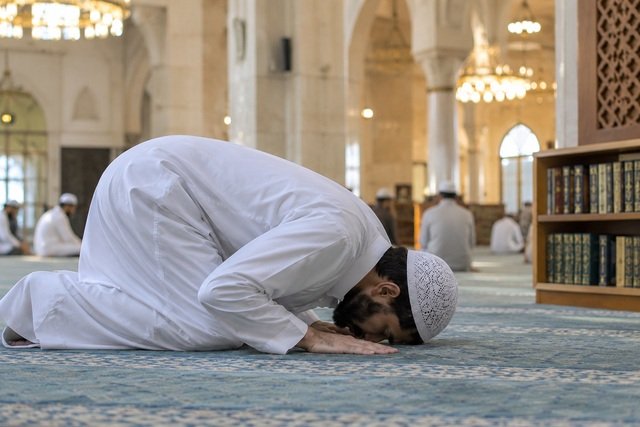
Every moment of a Muslim’s life revolves around the remembrance of Allah — and at the heart of that remembrance stands Salah. What is Salah? It is far more than a daily ritual. Salah in Islam is a living connection between a believer and the Creator. It isn’t simply an act repeated five times a day; it is a pause that builds discipline, softens the heart, and strengthens faith through every bow and prostration.
The Arabic word “Salah” comes from ṣalā, meaning connection or communication. When we ask what is Salah in Islam, we begin to see that prayer goes far beyond spoken words. When a Muslim stands in Salah, it is not just posture or recitation. It is a quiet moment where the heart slows down and awareness deepens. In that stillness, a believer lowers their head with gratitude, fully aware that the One who created them is near. Through every prayer, energy is renewed, faith is refreshed, and the bond with Allah grows stronger. In Islam, believers return to their Lord five times a day through Salah.
Allah commands in the Qur’an:
Establish prayer, give zakah, and bow with those who bow in obedience. (Surah Al-Baqarah 2:43)
When the Qur’an commands Salah and places it as the second pillar of Islam, it is more than an instruction on a page. It is a reminder for the believer to return, remember, and steady their faith when life becomes noisy. Salah shapes daily discipline, purifies the soul, and brings a Muslim back to their purpose. Through prayer, believers seek forgiveness, find balance, and renew their connection with Allah (SWT).
What Is Salah in Islam — Meaning and Understanding
Salah in Islam represents obedience, purification, and gratitude, making it an important act for every believer. When practiced sincerely, it cleanses the heart, strengthens faith, and nurtures inner peace.
It’s important to know the difference between Salah and Dua. While Dua is a personal supplication that a believer can make at any moment, Salah follows a set structure, offered at specific times of the day, where physical actions and spiritual focus come together as one act of worship.
Each step—standing (Qiyam), bowing (Ruku), and prostrating (Sujood)—reflects surrender and humility. Muslims who understand prayer in Islam experience a balance between body, mind, and soul.
The Prophet Muhammad (ﷺ) said:
The first matter that the slave will be brought to account for on the Day of Judgment is the prayer. (Tirmidhi)
In essence, Salah in Islam keeps a believer’s heart connected to Allah. It reminds Muslims of their purpose, guards them from wrongdoing, and fills life with light and serenity. Understanding what is Salah therefore, is the first step toward living a faithful and mindful life.
The Purpose of Salah — Why Muslims Pray
To really understand what is Salah, you have to look past the simple actions and words. For many Muslims, Salah in Islam isn’t just about movement — it’s that quiet reminder that everything we own, our time, and our bodies, belong to Allah (SWT). Sometimes, when a person bows, they remember how small they are and how close Allah is.
The purpose of Salah is a continual connection with the Creator. Salah serves as a daily discipline, training the heart to remain mindful of Allah in every situation. When a Muslim stands for prayer, all distractions fade; only faith remains in focus.
Allah says in the Qur’an:
Indeed, I am Allah. There is no deity except Me, so worship Me and establish prayer for My remembrance. (Surah Ta-Ha 20:14)
This verse shows why Muslims pray — to remember Allah, to stay grounded, and to clean the heart from pride. It isn’t only about ritual; it’s about building humility and keeping faith alive in a world that often distracts.
Spiritually, Salah protects the believer from evil and strengthens self-control. It serves as a shield against temptation, reminding Muslims of accountability and mercy. As Allah says:
Indeed, prayer prohibits immorality and wrongdoing. (Surah Al-Ankabut 29:45)
In a fast-paced world, Salah helps realign the soul. When life is chaotic, prayer provides calm. When challenged, it brings comfort. Salah renews patience and gratitude, inspiring believers to live every moment aware of Allah.
The importance of Salah in Islam lies not only in fulfilling an obligation but in transforming the soul. Each prayer washes away sins and strengthens the bond between the believer and Allah.
For those learning how to pray in Islam, understanding this purpose is the first step. Sometimes in Salah, the tongue moves, but the heart does the real speaking.
During Salah, a Muslim stands before Allah in complete stillness. It’s not fancy words that matter then, but the honesty that comes through every breath and bow.
The Five Daily Prayers in Islam.
To understand Salah, one must know how Allah structured it for each day. The five daily prayers in Islam are divine checkpoints that guide a Muslim’s heart back to remembrance and peace. Each prayer has its own timing, purpose, and message.
1. Fajr — The Dawn Prayer
The first prayer is offered before sunrise. It wakes the believer both physically and spiritually — a moment to leave sleep behind and turn to Allah. Fajr Salah brings a sense of peace at dawn. It softens the heart and reminds a Muslim that every sunrise carries another chance to seek Allah’s mercy and begin anew.
2. Dhuhr — The Midday Prayer
As the sun reaches its peak, Dhuhr Salah calls believers to pause and reconnect with Allah. It breaks the routine of worldly effort and reminds Muslims that success comes only through His mercy. Performing this prayer shows gratitude for strength, time, and sustenance.
3. Asr — The Afternoon Prayer
Asr Salah represents patience and balance. It arrives when energy starts to fade, yet the believer chooses remembrance over distraction. The Prophet Muhammad (ﷺ) reminded Muslims to hold firmly to Asr Salah. Keeping it on time helps a believer stay steady in faith, even when the day feels full and tiring.
4. Maghrib — The Sunset Prayer
As the sun sets, Maghrib Salah invites reflection. At sunset, Maghrib Salah brings stillness after the day’s noise. It’s the time to thank Allah for what went right and to ask His pardon before nightfall. Spiritually, it represents transition — from light to darkness, from effort to surrender.
5. Isha — The Night Prayer
The final prayer of the day, Isha Salah, offers comfort and closure. It helps believers release the worries of the day and rest with hearts filled with remembrance. The stillness of the night allows deep connection, humility, and inner calm — a spiritual rest after worldly fatigue. Together, the five daily prayers create the rhythm of a Muslim’s life—teaching discipline, mindfulness, and gratitude. These qualities help shape character and purify intention.ion.
For those learning how to pray in Islam, these prayers are more than a schedule — they are sacred pauses that turn every day into an act of worship. Through them, Muslims remain anchored in their faith, no matter where they are or what they face.
What makes Islam in Its Entirety truly beautiful is its steady pattern. Each of the five daily prayers helps a Muslim stay close to Allah. Through this steady practice, the heart learns to remember Him often and to find peace in His nearness.
The Spiritual and Physical Benefits of Salah
To understand Salah, recognize its benefits for the soul, body, and mind. Each prayer touches the soul, steadies the mind, and gently shapes daily life over time.
The true importance of Salah in Islam becomes clear in how it gradually cleanses the soul and softens the heart. When a Muslim stands in prayer, they turn away from worldly distractions and stand humbly before Allah. Every bow and prostration is a moment of surrender. Each act washes away arrogance and sin.
Allah says:
Indeed, prayer restrains from shameful and unjust deeds.(Surah Al-Ankabut 29:45)
Through Salah in Islam, the believer develops taqwa (God-consciousness). It strengthens patience, humility, and gratitude. A heart that prays regularly remains calm through hardship and thankful in ease.
Spiritually, Salah realigns the heart. It reminds the soul that nothing is greater than Allah’s presence. When performed with sincerity, even five minutes of prayer can bring peace deeper than hours of rest.
1. Emotional and Mental Benefits — Calm and Focus
In today’s world of stress and noise, Salah in Islam acts as a natural therapy. It creates mental stillness through repetition, rhythm, and reflection. Regular prayer can slow the heartbeat, relax the nervous system, and lower anxiety.
While performing Salah in Islam, a Muslim focuses their eyes, controls their breathing, and settles their thoughts. This simple act builds mindfulness and calm, long before such ideas were studied in modern times. Deep focus clears the mind from worry and builds emotional stability.
Salah teaches emotional balance: when life feels heavy, the believer finds lightness in sujood (prostration). It’s a sacred reminder that every burden can be lifted by turning to Allah.
2. Physical Benefits — Strength and Discipline
Beyond spirituality, Salah also benefits physical health. The movements — standing, bowing, and prostrating — improve flexibility, posture, and circulation. Regular prayer strengthens the muscles of the legs, back, and core. It gently improves balance.
The discipline of praying five times a day also trains the body to follow routine and moderation. Muslims naturally manage sleep, diet, and time around prayer, leading to a healthier lifestyle.
Each act in Salah reconnects body and soul, teaching that worship involves not only words but every heartbeat and movement.
3. Social Benefits — Unity and Compassion
When Muslims pray together in congregation, Salah breaks barriers of race, language, and class. In the masjid, all stand shoulder to shoulder — rich and poor, old and young — equal before Allah.
When Muslims stand side by side in Salah, the moment itself explains the lesson. Every person—young or old, wealthy or poor—shares the same space and the same goal. It shows that Islam grows stronger when people live it together — through kindness, patience, and mutual respect. In prayer, Muslims learn to care for one another, to cooperate, and to carry those lessons into their daily lives beyond the masjid.
In short, the benefits of Salah reach every dimension of a believer’s life — spiritual, emotional, physical, and social. It polishes the heart, sharpens the mind, strengthens the body, and brings people together in the remembrance of Allah.
That is the quiet beauty of Salah in Islam. It shapes daily life, calms the heart, and reminds the believer that faith grows strongest when it is shared with others.
How to Perform Salah Step by Step (A Complete Guide for Beginners)
When someone begins to truly grasp what is Salah, learning how to pray in Islam naturally becomes the next part of that journey. The Prophet Muhammad (ﷺ) said:
Pray as you have seen me pray. (Sahih Bukhari)
This guidance makes prayer simple, structured, and full of presence.
1. Preparation for Salah — Purity and Intention
Before offering Salah in Islam, cleanliness is essential. A Muslim performs Wudu (ablution) — washing the hands, mouth, nose, face, arms, head, ears, and feet. If one is in a state of major impurity, Ghusl (full bath) is required.
After purification, the believer stands facing the Qiblah (the direction of the Kaaba in Makkah) and makes the niyyah (intention) in the heart for the specific prayer being performed — for example, Fajr, Dhuhr, Asr, Maghrib, or Isha.
2. Takbir al-Ihram — The Opening of Prayer
Raise both hands to the shoulders and say “Allahu Akbar” (God is the Greatest).
This marks the start of Salah, a moment of leaving the world behind and entering the presence of Allah.
3. Qiyam — Standing and Recitation
While standing, place the right hand over the left on the chest and recite Surah Al-Fatiha, followed by any other short surah or verses from the Qur’an.
This step reminds the believer of Allah’s mercy and guidance.
4. Rukoo — Bowing
Bow forward with the hands on the knees and say three times: “Subhana Rabbiyal Adheem” (Glory be to my Lord, the Most Great).
Here, the believer shows humility and acknowledges Allah’s greatness.
5. Qawmah — Standing After Bowing
Return to the standing position and say: “Sami-Allahu liman hamidah” (Allah hears the one who praises Him), then respond with “Rabbana lakal hamd” (Our Lord, to You belongs all praise).
6. Sujood — Prostration
Go down to prostrate with the forehead, nose, palms, knees, and toes touching the ground. Say “Subhana Rabbiyal A‘la” (Glory be to my Lord, the Most High) three times.
This is the deepest moment of connection — the closest a believer comes to Allah.
7. Jalsa — Sitting Between Two Prostrations
Pause for a short moment and recite: “Rabbighfir li” — O my Lord, forgive me. This brief sitting brings a sense of mercy and hope between the two acts of prostration.
8. Second Sujood and Next Rak‘ah
Perform a second prostration as before. Then stand to begin the next rak‘ah (unit of prayer). Each daily prayer contains a different number of rak‘ahs:
- Fajr: 2 rak‘ahs
- Dhuhr: 4 rak‘ahs
- Asr: 4 rak‘ahs
- Maghrib: 3 rak‘ahs
- Isha: 4 rak‘ahs
9. Tashahhud and Tasleem — Closing the Prayer
When the prayer reaches its final sitting, the worshipper recites the Tashahhud and sends peace upon the Prophet Muhammad (ﷺ). The prayer then ends as the worshipper gently turns the head to the right, and then to the left, offering the greeting of peace — “As-salaamu ‘alaykum wa rahmatullah.”
Performing Salah in Islam with humility and concentration is the core of faith. Each step teaches discipline, purity, and gratitude — a reminder that life itself is an ongoing prayer.
Learning how to pray Namaz in Islam helps a believer build a real connection with Allah, turning ordinary moments in life into sincere acts of worship.
The Importance and Rewards of Salah in Islam
To fully grasp what is Salah, one must understand its unmatched place in Islam. Salah is more than worship — it is the lifeline between the servant and the Creator. It shapes character, purifies intention, and reminds the believer of purpose in every breath.
1. The Central Role of Salah in Faith
Among all acts of worship, Salah in Islam holds the highest rank after the declaration of faith (Shahada). It was the first command given directly to the Prophet Muhammad (ﷺ) during the Night Journey (Isra and Mi’raj), when Allah made it obligatory upon every Muslim.
The Prophet (ﷺ) said:
The first matter that the servant will be brought to account for on the Day of Judgment is the prayer. If it is sound, the rest of his deeds will be sound. (Sunan al-Tirmidhi)
And this reminder makes one thing clear: Salah in Islam is not limited to ritual practice. It stands at the core of a believer’s responsibility before Allah and plays a central role in their success.
2. Salah as a Reminder of Allah
In the rush of daily life, humans easily forget their purpose. Salah interrupts that forgetfulness and calls the heart back to remembrance. When a believer stands for Salah, the noise of daily life slowly fades. For a short while, the world stops pulling at the heart. The focus moves away from everything else, and the prayer becomes only about remembering Allah.
Allah (SWT) reminds in the Qur’an:
Establish prayer for My remembrance. (Surah Taha 20:14)
By returning to Salah throughout the day, faith is refreshed again and again. These repeated moments of worship quietly shape inner calm and steady awareness of Allah.
3. The Spiritual Rewards of Salah
The rewards of Salah are countless and continue in both this life and the Hereafter. Prayer removes sins, brings light to the face, and elevates status in the sight of Allah. The Prophet (ﷺ) said:
The five daily prayers and Friday to Friday are an expiation for whatever is between them, so long as major sins are avoided. (Sahih Muslim)
Each time a Muslim bows and prostrates, their sins fall away, and their heart grows lighter. Performing Salah regularly is a sign of true faith, and abandoning it endangers one’s connection with Allah.
The Prophet (ﷺ) also said:
Between a man and disbelief is abandoning the prayer. (Sahih Muslim)
Thus, Salah in Islam is not optional — it is the essence of being a believer.
4. Emotional and Social Impact of Salah
Salah does not only shape faith — it also steadies emotions. During difficult or restless moments, turning to Salah helps calm the heart and quiet the mind. Standing, bowing, and prostrating in a familiar rhythm helps the believer feel grounded, even when worries feel heavy.
Prayer also changes how Muslims relate to one another. In congregation, people gather without labels or status. Side by side, everyone stands the same way, follows the same movements, and turns to the same Lord. This shared act quietly teaches equality, respect, and unity.
5. The Eternal Rewards in the Hereafter
Those who establish Salah with sincerity receive immense reward in the Hereafter. Their graves are illuminated, their scales of good deeds are heavy, and on the Day of Judgment, Salah will intercede on their behalf.
The Prophet Muhammad (ﷺ) said:
Prayer is a light. (Sahih Muslim)
That light guides the believer through darkness — in this world and the next.
Salah is not just what Muslims do — it is who they are. Understanding what is Salah reveals that it’s not only about movement or words, but about transformation. It disciplines the body, uplifts the heart, and purifies the soul.
Through every bow and prostration, a Muslim renews their promise to live with faith, gratitude, and obedience.
Common Mistakes in Salah and How to Improve Concentration (Khushoo)
After learning what is Salah, many Muslims realise that praying correctly is not only about physical movements. True Salah requires attention of the heart as well as the body. Despite good intentions, it is common to feel distracted or to pray without full awareness.
Below are some frequent mistakes people make during Salah, along with simple ways to improve concentration and develop khushoo.
1. Performing Salah Too Quickly
One of the most frequent mistakes is rushing through the prayer without giving each position its due time. The Prophet Muhammad (ﷺ) once saw a man praying hastily and said:
Go back and pray, for you have not prayed. (Sahih Bukhari)
Salah in Islam should never be a routine task. Each action — standing, bowing, prostrating — has a purpose. Slowing down allows the heart to absorb the meaning behind every word and movement.
Tip: Focus on calm breathing. Between each step, pause and let the words of recitation settle in your heart before moving forward.
2. Lack of Proper Intention (Niyyah)
Before every Salah, a clear niyyah must be made — the inner decision that this prayer is for Allah alone. Many Muslims make this mistake by treating Salah as an obligation rather than a conversation with their Lord.
Tip: Pause briefly before beginning Salah and remind yourself that Allah is aware of your intention. This short moment of awareness helps shift prayer from routine action to sincere worship.
3. Distraction and Wandering Thoughts
It’s natural for the mind to wander, especially in a busy life. But true khushoo in Salah means gently bringing your focus back whenever it drifts.
Tip:
- Try understanding the meaning of what you recite — knowing even one surah’s translation can make a huge difference.
- Change the surah you recite often to keep your mind alert.
- Lower your gaze and imagine the Kaaba before you.
Remember: Salah is a meeting with Allah — not a task to finish but a presence to feel.
4. Ignoring Proper Posture and Movement
Some people rush through bowing or prostrating without stillness. But the Prophet (ﷺ) emphasized the importance of tranquility (ṭuma’neenah) in every movement. Without it, Salah in Islam loses its depth.
Tip: Stay still for a moment in every position — let your body and heart move together. When your body is calm, your mind follows suit.
5. Missing the Inner Connection
Many perform Salah mechanically — the lips move, but the heart stays distant. This happens when prayer becomes a habit rather than a reflection.
Tip: Imagine this is your last Salah before meeting Allah. Such awareness softens the heart, brings tears to the eyes, and fills the prayer with sincerity.
6. Neglecting Consistency
Consistency is the soul of Salah. Skipping prayers or delaying them breaks the rhythm of remembrance and weakens spiritual focus.
Tip: Plan your day around your prayers — not your prayers around your day. Make the adhan your signal to pause, reflect, and realign your life with faith.
True khushoo in Salah doesn’t happen overnight. It grows with patience, sincerity, and practice. Every time a believer tries again — focusing, slowing down, remembering Allah — the heart becomes softer, calmer, and more aware.
Learning how to pray in Islam with full focus turns ordinary prayers into extraordinary moments of connection.
Conclusion and Final Reflection: The Lifelong Relationship Between a Muslim and Salah
At its heart, understanding what is Salah goes far beyond knowing the steps of prayer. It is the story of a Muslim’s entire life — a rhythm that shapes the heart, disciplines the mind, and purifies the soul.
Every time a believer stands before Allah in Salah, it becomes a reminder of purpose: that life itself is temporary, but connection with the Creator is eternal.
Salah — The Pulse of Faith
Salah in Islam isn’t just a daily duty; it is the heartbeat of belief. From the first Fajr prayer that greets the dawn to the quiet moments of Isha, every Salah anchors a Muslim in remembrance and hope.
It builds gratitude in moments of ease and patience in times of hardship. It is through Salah that faith stays alive — glowing, steady, and strong.
The Prophet Muhammad (ﷺ) said:
The coolness of my eyes is in Salah. (Sunan an-Nasa’i)
This means that true peace comes not from worldly success, but from kneeling before Allah with sincerity.
The Lifelong Journey of Connection
Learning how to pray in Islam is not the end — it’s the beginning of a lifelong journey. As a believer grows, each prayer feels deeper and more meaningful. The same words, the same motions, begin to carry new emotions, new lessons, and new gratitude.
Through Salah, a Muslim speaks to Allah five times a day — asking for guidance, strength, forgiveness, and peace. And in every moment of prostration, the believer finds the closest possible connection to the Creator.
Prostrate and draw near [to Allah]. (Surah Al-‘Alaq 96:19)
Why Salah Defines a Muslim’s Life
The importance of Salah in Islam is seen in how it gradually shapes a Muslim’s life, character, and daily choices. It’s not limited to a prayer mat — its blessings extend into work, family, and society. The discipline learned in Salah reflects in honesty, patience, and compassion throughout daily life.
A person who truly guards their prayers also guards their tongue, their heart, and their intentions. That is how Salah becomes not just a ritual — but a way of living.
A Final Prayer for the Believers
May Allah (SWT) place ease in our hearts through Salah and fill our lives with its calm and guidance.
May He help us perform it with sincerity, focus, and humility.
And may every bow and prostration bring us closer to His mercy and eternal forgiveness.
Ameen.
Copyright 2025. learnalquran. All Rights reserved.