- learnalquranofficial@gmail.com
- +447308243404


Friday Prayer in Islam: Meaning, Obligation, Method, and Spiritual Significance
- Home
- Featured Blog Posts
- Friday Prayer in Islam: Meaning, Obligation, Method, and Spiritual Significance
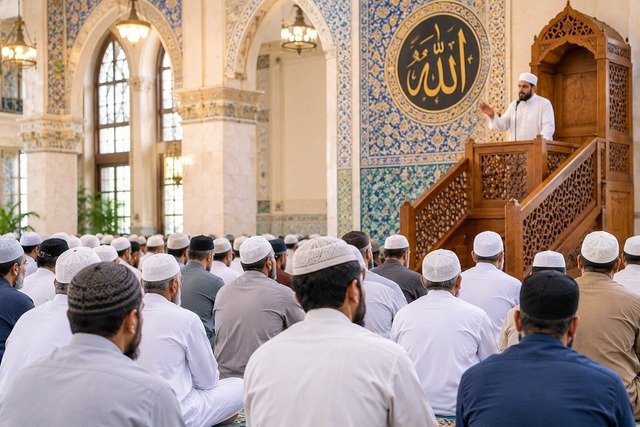
Friday Prayer in islam is a central part of Islamic worship and holds a unique position in Islam. It is a weekly congregational prayer that replaces the regular Zuhr prayer on Fridays. In Islamic teachings, Friday Prayer is given a special status and is not viewed as an ordinary prayer. Instead, it is regarded as a mandatory act of worship for those Muslims who are required to attend.
In Islam, Friday Prayer (Jummah prayer) combines worship, guidance, and community gathering. Muslims leave their daily work and worldly activities to answer the call to prayer. This shows that Friday Prayer in Islam is meant to remind believers that faith comes before everything else.
The method of Friday Prayer includes listening to the Friday khutbah, followed by a short congregational prayer. Spiritually, this prayer refreshes a Muslim’s faith every week. Many Muslims feel that Friday Prayer brings calmness, focus, and a renewed connection with Allah.
What Is Friday Prayer in Islam and Why Does It Matter?
Friday Prayer is known in Arabic as Salat al-Jumu‘ah. It is performed every Friday at midday and must be offered in congregation. Unlike daily prayers, Friday Prayer includes a sermon that addresses religious, moral, and social guidance.
This prayer matters in Islam because Allah has directly commanded believers to attend Friday Prayer and leave their business when its call is made. This command alone shows how serious and important the Friday Prayer in Islam is.
Another reason Friday Prayer matters is its impact on faith. The khutbah reminds Muslims of their responsibilities, corrects mistakes, and strengthens belief. Over time, this weekly reminder helps Muslims stay connected to Islamic values.
In simple terms, Friday Prayer matters because it protects faith, builds discipline, and unites Muslims every week.
Quran and Hadith Evidence for Friday Prayer
The obligation of Friday Prayer is clearly proven through the Quran and Hadith. In the Quran, Allah commands believers to gather for remembrance when the call for Friday Prayer is announced and to leave trade and worldly activities.
The Hadith of the Prophet Muhammad ﷺ also strongly emphasizes Jummah prayer. The Prophet ﷺ consistently performed Friday Prayer and warned against missing it without a valid excuse. These teachings show that neglecting Friday Prayer is a serious matter in Islam.
Because of this clear evidence, Islamic scholars agree that Friday Prayer is an obligation for eligible Muslims. This strong foundation from the Quran and Sunnah gives the Friday Prayer in Islam a very high religious status.
Allah says in the Quran:
O you who believe! When the call is proclaimed for the prayer on Friday, hasten to the remembrance of Allah and leave trade. (Surah Al-Jumu‘ah 62:9)
Who Must Attend Friday Prayer (And Who Is Excused)
In Islam, Friday Prayer is obligatory for adult, sane, resident Muslim men who are physically able to attend. This rule applies when there is no valid excuse preventing attendance.
However, Islam also allows exemptions. People who are excused from Friday Prayer include:
- Women
- Travelers
- Sick or elderly individuals
- Those facing genuine hardship
Although women are not obligated to attend Friday Prayer, Islam permits them to join the congregation if they choose to do so. Travelers may pray Zuhr instead of Jummah prayer, and sick individuals are not burdened beyond their ability.
This balanced approach shows that while Friday Prayer in Islam is extremely important, Islam does not impose hardship. The goal is sincere worship with ease and understanding.
Why Friday Prayer Is a Weekly Spiritual Reset for Muslims
Friday Prayer is not only an obligation; it works as a weekly spiritual reset for Muslims. Most weeks are busy with work and personal matters, and Friday Prayer in Islam gives Muslims a fixed time to leave their routine and attend prayer at the mosque.
The Friday khutbah plays a key role in this reset. It reminds Muslims about faith, good character, responsibilities, and mistakes that may have crept into daily life. For many Muslims, Jummah prayer feels like a moment to realign their heart and intentions.
Spiritually, Friday Prayer cleanses the soul in a way similar to how daily prayers cleanse minor sins. For Muslims who attend Friday Prayer regularly, the reminders given during Jummah often influence their behavior, attitudes, and decisions long after they leave the mosque.
This is why many Muslims feel calm and mentally lighter after Friday Prayer—it resets both the heart and the mind.
How Friday Prayer Is Performed (From Khutbah to Salam)
The Friday Prayer follows a clear and simple structure that is different from daily prayers. It begins with the Friday khutbah, which is delivered by the imam before the prayer itself.
First, Muslims gather in the mosque before prayer time. When the imam begins the khutbah for Friday Prayer, everyone must sit quietly and listen attentively. Talking or distracting others during the khutbah is not allowed.
After the khutbah ends, the imam leads the Friday congregational prayer. This prayer is performed in congregation and ends with the salam, just like other prayers.
In short, Friday Prayer consists of:
- Listening to the khutbah
- Praying together behind the imam
- Completing the prayer with peace and focus
This simple flow makes Friday Prayer in Islam easy to follow while keeping it spiritually powerful.
How Many Rakats Are in Friday Prayer? (Clear Islamic Answer)
A very common and important question is about the rakats in Friday Prayer. The obligatory Friday Prayer itself consists of two rakats, prayed in congregation after the khutbah.
These two rakats of Friday Prayer replace the four rakats of Zuhr prayer that are normally prayed on other days. This is why Muslims do not pray Zuhr separately on Friday if they attend Jummah prayer.
Some Muslims also pray additional sunnah rakats before or after Friday Prayer, depending on their school of thought. However, the core obligation remains the two rakats of Friday Prayer led by the imam.
So the clear answer is:
The Friday Prayer rakats are two obligatory rakats, prayed in congregation.
The Role and Etiquettes of the Friday Khutbah
The Friday khutbah is a central part of Friday Prayer in Islam. Without the khutbah, the Jummah prayer is not complete. Its purpose is to guide, remind, and educate Muslims every week.
During the Friday khutbah, Muslims are required to listen attentively. Talking, using the phone, or distracting others goes against the etiquette of Friday Prayer. Even advising someone else to be quiet during the khutbah should be avoided.
The khutbah usually includes:
- Reminder of Allah
- Quranic guidance
- Moral and social advice
The importance of the khutbah, Friday Prayer, lies in its message. It strengthens faith, corrects behavior, and keeps the community spiritually aware.
Respecting the etiquette of the Friday khutbah ensures that Friday Prayer remains meaningful and spiritually beneficial.
When Does Friday Prayer Begin? How Is Time Determined
The time of Friday Prayer begins when the time of Zuhr prayer starts. Friday Prayer is not offered in the early morning. It is performed later in the day, after the sun has already passed the middle of the sky, which scholars describe as zawal. This principle applies everywhere and does not depend on fixed clock timings.
Because prayer time is linked to the sun, the exact Friday Prayer time may slightly change throughout the year. Islam makes it clear that Friday Prayer in Islam cannot be performed before this time begins. Both the khutbah and the prayer itself must take place after Zuhr time has entered.
This rule highlights the importance of accuracy in worship. Because of this, the timing of Jummah prayer matters, and offering it within its proper time is necessary for it to count correctly.
Sunnahs and Recommended Acts Before and After Friday Prayer
Along with being an obligation, Friday Prayer is surrounded by important sunnahs that increase its spiritual reward. These recommended acts help Muslims prepare both physically and spiritually for Jummah.
Before attending Friday Prayer, Muslims are encouraged to purify themselves, dress neatly, and focus their hearts on worship. Recitation of the Quran, especially Surah Al-Kahf, and sending blessings upon the Prophet ﷺ are widely practiced traditions connected to Jummah prayer.
After completing Friday Prayer, Muslims are encouraged to remain mindful of Allah, make dua, and carry the calm and discipline of prayer into the rest of the day. These sunnahs of Friday Prayer turn Jummah into more than a single act of worship and help its blessings continue beyond the mosque.
Duas, Blessings, and Accepted Moments on Friday
Friday is considered the most blessed day of the week in Islam, and Friday Prayer lies at the heart of this blessing. One of the most significant aspects of Friday is the presence of a special moment when duas are accepted by Allah.
Because the exact time of this accepted moment is not fixed, Muslims are encouraged to increase dua on Friday throughout the day, especially around the time of Friday Prayer. Asking for forgiveness, guidance, and ease in life is strongly encouraged.
For many Muslims, the Friday Prayer dua gradually becomes a regular part of Friday worship, where personal requests to Allah are made alongside the required Jummah prayer.
Common Mistakes Muslims Make During Friday Prayer
Despite the importance of Friday Prayer, many Muslims unknowingly reduce its reward by making common mistakes. A common issue during Friday Prayer is reaching the mosque after the khutbah has already begun, even though the khutbah itself is a required part of Jummah prayer.
Another mistake is losing focus during the khutbah by talking, using mobile phones, or not listening attentively. Some people also rush to leave immediately after the prayer without reflection or remembrance.
When Jummah prayer is treated as a habit instead of an act of worship, its spiritual impact weakens. Being mindful, punctual, and respectful allows Muslims to gain the full reward and purpose of this weekly gathering.
Can Friday Prayer Be Prayed at Home? (Scholarly Perspective)
Under normal conditions, Friday Prayer is not meant to be offered at home. Friday Prayer is meant to be observed with other Muslims, where people come together, hear the khutbah, and then pray as one congregation. Because of this structure, Friday Prayer in Islam is treated differently from regular daily prayers.
At the same time, Islamic scholars recognize that certain situations make mosque attendance difficult or impossible. Illness, travel, or large-scale circumstances such as pandemics can prevent people from joining the congregation. When attending Jummah is genuinely not possible, the person does not carry blame for missing it and offers Zuhr prayer in its place.
This approach reflects the balance found in Islamic law. While Friday Prayer is intended to be observed in congregation, flexibility exists when genuine need arises. Worship remains valid, and ease is given without removing responsibility.
Friday Prayer vs Zuhr Prayer: What Is the Real Difference?
Although Friday Prayer replaces Zuhr prayer on Fridays, the two are not the same. Jummah prayer is a weekly congregational act that includes a khutbah, while Zuhr prayer is a regular daily obligation performed individually or in congregation.
Another key difference lies in purpose. Jummah prayer serves not only as worship but also as guidance, education, and unity for the Muslim community through the khutbah. Zuhr prayer does not include this communal element.
When a Muslim attends Friday Prayer, Zuhr prayer is no longer required for that day. However, if Friday Prayer is missed for a valid reason, Zuhr prayer becomes obligatory instead.
Frequently Asked Questions About Friday Prayer
What happens if someone misses Friday Prayer unintentionally?
If Friday Prayer is missed for any reason, the person should pray Zuhr instead, as Jummah cannot be offered later.
Can women attend Friday Prayer in the mosque?
Yes, women are allowed to attend Friday Prayer in Islam, but it is not obligatory for them. If they do not attend, praying Zuhr at home is sufficient.
Is Friday Prayer valid without a khutbah?
No, the khutbah is an essential part of Friday Prayer. Without it, the prayer is not considered valid.
Can Friday Prayer be performed more than once in the same area?
Scholars differ on this issue. In large communities, multiple Friday Prayer congregations are allowed due to necessity.
What should a person do if they miss one rak‘ah of Friday Prayer?
If someone joins late and misses one rak‘ah, they should complete the prayer as Zuhr after the imam finishes.
Is it permissible to leave immediately after Friday Prayer?
Yes, leaving after Friday Prayer is allowed, but staying for additional remembrance or supplication is encouraged.
Is there any punishment for deliberately missing Friday Prayer?
Intentionally missing Friday Prayer without a valid excuse is considered a serious matter in Islam and is strongly discouraged.
Conclusion
Friday Prayer: More Than an Obligation, A Weekly Connection With Allah
Friday Prayer is not just a weekly duty; it is a moment of pause, reflection, and renewal. Through gathering, listening, and praying together, Muslims reconnect with Allah and with one another.
Friday Prayer in Islam is meant to guide a Muslim’s behavior beyond the mosque. After attending Jummah prayer, many people become more aware of how they spend their time, how they deal with others, and how seriously they take their religious duties during the rest of the week. This practical influence is one reason Friday Prayer holds such an important place in Muslim life.
By honoring its meaning, method, and spirit, Muslims transform Friday Prayer into a lasting connection with Allah that goes far beyond the mosque.
Copyright 2025. learnalquran. All Rights reserved.