- learnalquranofficial@gmail.com
- +447308243404


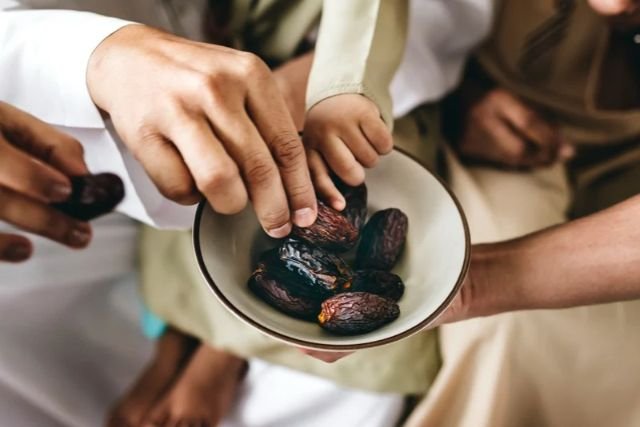
Fasting in Ramadan is one of the five pillars of Islam and an important act of worship that develops taqwa, patience, and gratitude. Beyond abstaining from food and drink, Ramadan fasting encourages Muslims to strengthen their faith, practise self-discipline, and grow closer to Allah.
Fasting in Ramadan was prescribed as a divine command from the earliest days of Islam. Allah says in the Qur’an:
O you who believe! Fasting is prescribed for you as it was prescribed for those before you, that you may become righteous. (Surah Al-Baqarah 2:183).
This command highlights the true goal of fasting: developing taqwa, or awareness of Allah. Through self-restraint and obedience, fasting helps believers rise above distractions and grow closer to Allah (SWT).
What Fasting in Ramadan Means in Islam
The Arabic word for fasting is “Sawm,” meaning to abstain or refrain. In Islam, it means abstaining from food, drink, and physical desire from dawn (Fajr) until sunset (Maghrib). Fasting is not just physical—it’s worship that purifies the heart and strengthens the soul.
Fasting disciplines the body and teaches the believer to control impulses, develop patience, and focus on higher spiritual goals. The Prophet Muhammad (PBUH) said:
Whoever fasts Ramadan out of faith and in hope of reward, his previous sins will be forgiven. (Sahih al-Bukhari & Muslim)
This teaching shifts the meaning of fasting away from hardship alone. Fasting in Ramadan becomes a way to reset the heart, rebuild sincerity, and regain control over the self. During Ramadan, daily routines slow down, which gives people more time to think and reflect.
Why Do Muslims Fast in Ramadan
Many people wonder, why do Muslims fast in Ramadan? The answer lies in both devotion and transformation. Fasting reminds Muslims that everything they rely on comes from Allah, including food, water, and daily strength.
Spiritually, fasting softens the heart, enhances empathy, and renews faith. By experiencing hunger, Muslims feel closer to those who suffer and are inspired to give more in charity.
Hunger during fasting is temporary, but the awareness it creates often stays long after Ramadan ends.
The Prophet Muhammad (PBUH) beautifully explained:
Fasting is a shield; it protects from sin and from the fire of Hell. (Sunan Ibn Majah)
When someone fasts in Ramadan, it reminds believers how deeply their lives depend on Allah. Hunger, thirst, and restraint quietly reveal how even the smallest comforts come only by His permission. Through this experience, fasting shapes character, softens the heart, and helps Muslims turn away from distractions that pull them away from Allah.
Rules and Conditions of Fasting in Ramadan
Islam’s beauty lies in its balance — while fasting is a command, it is also guided by compassion.
Who must fast:
Every adult, sane, and healthy Muslim is required to fast. Children are encouraged to start gradually, learning the value of patience and self-discipline.
Who is exempt:
- The elderly or chronically ill
- Pregnant or breastfeeding women, if fasting harms them or their child.
- Travelers (who may make up missed fasts later)
- Those temporarily ill (to be made up later)
Islam never imposes hardship — Allah says in the Qur’an:
Allah intends for you ease and does not intend for you hardship. (Surah Al-Baqarah 2:185)
What breaks the fast in Ramadan:
- Eating or drinking intentionally
- Engaging in marital relations during fasting hours
- Intentional vomiting
- Menstruation or postnatal bleeding
If a person breaks their fast for a valid reason, they may offer Fidyah (feeding one needy person per missed day) or make up the fast later. Deliberate breaking of the fast without a valid reason requires Kaffarah — fasting 60 consecutive days or feeding 60 people as repentance.
Suhoor, Iftar and Duas During Ramadan
Each day of fasting follows a sacred rhythm, starting with Suhoor (pre-dawn meal) and ending with Iftar (breaking the fast).
The Prophet (PBUH) said:
Take Suhoor, for there is blessing in it. (Sahih al-Bukhari)
Suhoor helps a fasting person begin the day with energy, while quietly reminding the heart that even simple actions can carry reward when done for Allah. Before fasting, Muslims make their intention (niyyah) and recite the dua for fasting in Ramadan:
اللّهُمَّ إِنِّي نَوَيْتُ أَنْ أَصُومَ غَداً مِنْ شَهْرِ رَمَضَانَ
O Allah! I intend to fast tomorrow for the month of Ramadan.
At sunset, the fast is broken with dates and water — following the Sunnah of the Prophet (PBUH). The dua for opening fast in Ramadan is:
اللَّهُمَّ إِنِّي لَكَ صُمْتُ وَبِكَ آمَنْتُ وَعَلَيْكَ تَوَكَّلْتُ وَعَلَى رِزْقِكَ أَفْطَرْتُ
O Allah! I fasted for You, and I believe in You, and I break my fast with Your provision.
The moment of breaking a fast in Ramadan often brings a deep sense of relief and humility. At that time, many believers naturally turn to Allah, knowing that sincere duas made at Iftar hold special closeness to Him.
Spiritual Benefits of Fasting in Ramadan
Fasting transforms the believer from within. It builds patience, gratitude, and awareness of Allah. Each moment of restraint becomes an act of worship — even the silence of a fasting person is considered dhikr (remembrance of Allah).
Many people notice that as the body weakens slightly, the heart feels stronger and more focused.
It teaches Muslims to avoid anger, gossip, and wasteful habits. It cleanses not just the body but also the heart from pride, envy, and greed.
The Prophet (PBUH) said:
Every deed of the son of Adam is multiplied; good deeds are multiplied tenfold to seven hundred times, except for fasting, for it is for Me, and I will reward it. (Sahih al-Bukhari)
Through fasting, Muslims learn self-mastery and strengthen their taqwa — carrying these lessons far beyond Ramadan.
The Physical and Emotional Benefits of Fasting in Ramadan
The purpose of fasting in Ramadan is spiritual, yet its blessings extend to every part of a believer’s life — including the mind and body. While modern science often highlights the health benefits of fasting, Islam introduced this discipline more than 1,400 years ago, not for physical gain but for purification of the soul. Still, when done with balance and sincerity, it nurtures both.
Physically, fasting allows the body to reset. Digestive organs rest, blood sugar stabilizes, and energy levels even out. Many experts today recognize that controlled fasting improves metabolism and helps the body eliminate toxins naturally.
But in Islam, the deeper healing happens in the heart. When a Muslim fasts sincerely, stress begins to fade, the mind becomes calmer, and gratitude replaces anxiety. Fasting frees the believer from distractions — phones, cravings, and endless routines — and brings focus back to what truly matters: prayer, reflection, and connection with Allah.
The Prophet Muhammad (PBUH) said:
Fasting is half of patience. (Tirmidhi)
This patience is not just about hunger; it’s emotional stability, self-control, and the ability to respond to challenges with wisdom. Fasting trains believers to be calm when provoked, to forgive quickly, and to trust Allah’s timing.
Acts of Worship That Strengthen the Fast
During Ramadan, fasting is the foundation, but other acts of worship complete it. The Prophet (PBUH) was known for increasing every kind of good deed during this month — prayer, charity, and kindness. These acts turn the fast into a full spiritual experience.
1. Performing Salah and Taraweeh
Praying on time strengthens discipline and draws the heart closer to Allah. The night prayer, Taraweeh, holds special value. Muslims stand together, listening to the recitation of the Qur’an, often completing the entire Book by month’s end. Each prayer wipes away worry and fills the soul with light.
2. Reciting and Reflecting on the Qur’an
Ramadan is closely linked with the Qur’an, as it was revealed during this month, and giving time to read and understand it brings lasting reward. Even reading one verse with understanding multiplies blessings. The Qur’an revives the heart — every word recited while fasting increases one’s closeness to Allah.
3. Giving Charity and Helping Others
Fasting builds empathy, and empathy inspires giving. During Ramadan, Muslims give Zakat (obligatory charity) and Sadaqah (voluntary charity). Feeding others at Iftar, donating food baskets, or supporting educational and medical projects are all powerful ways to share the month’s blessings.
4. Making Dua and Dhikr
The time before Iftar is one of the most sacred moments of the day. It’s when Allah promises to answer prayers. Repeating short duas such as “Astaghfirullah,” “SubhanAllah,” or “La ilaha illa Allah” keeps the heart alive with remembrance. The dua for opening fast in Ramadan is especially important — a direct conversation between the believer and Allah filled with gratitude and peace.
5. Showing Good Character
The Prophet (PBUH) said:
Nothing will be heavier on the Day of Resurrection than good character. (Tirmidhi)
Avoiding anger, arguments, and harshness is an act of worship in itself. Speaking kindly, forgiving mistakes, and helping others carry equal reward to long hours of fasting.
Common Fasting Mistakes to Avoid During Ramadan
Fasting is sacred, but it’s easy to lose its spiritual value if certain habits creep in. Many people limit fasting to avoiding food and drink, even though it also challenges speech, thoughts, and inner behavior.
Most mistakes in fasting are not about food — they begin quietly in habits we stop paying attention to.
Here are a few mistakes to watch for:
Overeating at Iftar:
Breaking the fast in excess or in haste can affect health and weaken concentration in prayer. Islam teaches moderation, as the Prophet (PBUH) reminded us that no container is filled worse than the stomach.
Wasting time online:
During Ramadan, many people lose hours on their phones without realizing it. This time can be better spent with the Qur’an, simple dhikr, or sitting with family.
Arguing or gossiping:
Even if you’re right, staying silent for Allah’s sake earns more reward than winning an argument.
Skipping Suhoor:
Some think sleeping through Suhoor saves time, but the Prophet (PBUH) called it a meal full of blessing (barakah).
Fasting teaches control, not exhaustion. Balance and intention turn each day into worship.
Lessons That Last Beyond Ramadan
The beauty of fasting in Ramadan is that its effects do not end when the Shawwal moon appears. The discipline, gratitude, and peace learned through fasting become lifelong companions.
Fasting develops taqwa — the sense that Allah is watching and guiding every choice. This awareness shapes a believer’s actions long after Ramadan ends. It helps make ethical decisions, show kindness, and avoid harmful habits.
After Ramadan, many Muslims keep fasting on certain days, like Mondays and Thursdays, or the six days of Shawwal, following the guidance of the Prophet (PBUH). These voluntary fasts keep the spirit of Ramadan alive throughout the year.
Beyond rituals, fasting teaches emotional intelligence. It builds empathy for the poor, resilience in the face of hardship, and hope in the face of loss. The month trains believers to rely on Allah—not on comfort —for peace.
The Universal Message of Fasting
Fasting in Ramadan unites Muslims around the world — from London to Lahore, Sydney to Nairobi. At dawn, millions rise for Suhoor; at sunset, they break their fast together in the same act of faith. This shared experience transcends borders, languages, and cultures.
Ramadan also calls on believers to promote justice, kindness, and equality. It reminds us that hunger still exists beyond our own fast, and that faith without compassion is incomplete.
Even in today’s fast-paced, digital world, fasting gives believers a gift no technology can replace — silence, gratitude, and peace. It’s a reminder that happiness is found not in more possessions, but in a content heart.
Conclusion — Ramadan as a Journey of Renewal
Fasting in Ramadan goes beyond a simple ritual. It slowly changes a person from within, bringing clarity to the mind, calm to the heart, and strength to the soul. Hunger reminds believers why they fast, while self-control quietly builds inner freedom.
When Ramadan ends, many believers realize the real challenge is not fasting again but keeping the same awareness alive.
Through this sacred month, Muslims rediscover their connection with Allah, their love for humanity, and their strength within. Fasting turns ordinary days into moments of worship and ordinary meals into moments of gratitude.
When the month ends, the goal is not to return to old habits, but to carry the light of Ramadan throughout the year — in prayer, in kindness, and in every choice guided by faith.
“Indeed, those who believe and do righteous deeds — the Most Merciful will grant them love.” (Qur’an 19:96)
FAQs — Common and Important Questions About Fasting in Ramadan
- Can fasting in Ramadan improve mental health?
Yes. Fasting helps regulate emotions, reduces stress, and increases mindfulness. By stepping away from constant distractions like food, screens, and social media, the mind finds stillness. Studies also show that fasting can boost serotonin and self-control, leading to emotional balance and peace.
- Is it permissible to brush teeth while fasting?
Yes, brushing teeth is allowed as long as nothing is swallowed. The Prophet Muhammad (PBUH) used miswak during fasting, which shows that oral hygiene does not invalidate the fast — only carelessness that leads to swallowing does.
- What should someone do if they accidentally eat or drink during the fast?
If a fasting person forgets and unintentionally eats or drinks, their fast is still valid.
The Prophet (PBUH) said:
Whoever forgets while he is fasting and eats or drinks, let him complete his fast, for it was Allah Who fed him and gave him drink. (Sahih al-Bukhari)
This shows that Allah’s mercy covers genuine mistakes.
- Can fasting be harmful to health?
When practiced properly, fasting in Ramadan is not harmful. Islam clearly excuses those whose health could suffer, including people with ongoing illness, pregnancy, or physical weakness. For healthy individuals, fasting can support digestion, mental clarity, and overall balance when Suhoor and Iftar meals are eaten sensibly.
- How can I stay productive while fasting?
Plan your day around Salah times, rest well after Suhoor, and stay hydrated during non-fasting hours. Focus on meaningful tasks in the morning and avoid heavy Iftar meals that can cause fatigue. The key is moderation — fasting is meant to empower, not exhaust.
- Can non-Muslims participate in fasting during Ramadan?
Yes, many non-Muslims fast to experience the discipline and peace of Ramadan. While it’s not obligatory for them, fasting helps them understand Islamic values of self-control, gratitude, and compassion toward others.
- What is the best dua for fasting in Ramadan when seeking forgiveness?
The Prophet (PBUH) taught this dua, especially during the last ten nights:
اللَّهُمَّ إِنَّكَ عَفُوٌّ تُحِبُّ الْعَفْوَ فَاعْفُ عَنِّي
O Allah, You are Most Forgiving, and You love to forgive, so forgive me.
This dua reflects the essence of Ramadan — mercy and renewal.
Copyright 2025. learnalquran. All Rights reserved.